Five of my favourite things from my first trip to Tuscany

(…aside from meeting my partner’s family of course!!)

Always a good thing to have a local help you plan your trips

I recently came back from my first trip to Tuscany. The eight days I spent there were jam packed with sightseeing and family time, and if I’m honest, it was such a whirlwind I think I’m still processing it! I’ll catch sight of one of my polaroid’s, skip past an Instagram photo or put on my facemask that somehow still smells of Italy (yes, I have washed it!) and I instantly get the warm and fuzzies. I’m already looking forward to going back. With so much happening it was difficult to know quite what to write about, but I’ve settled on five of my favourite things from this first trip.

Michelangelo’s David and Prisoners

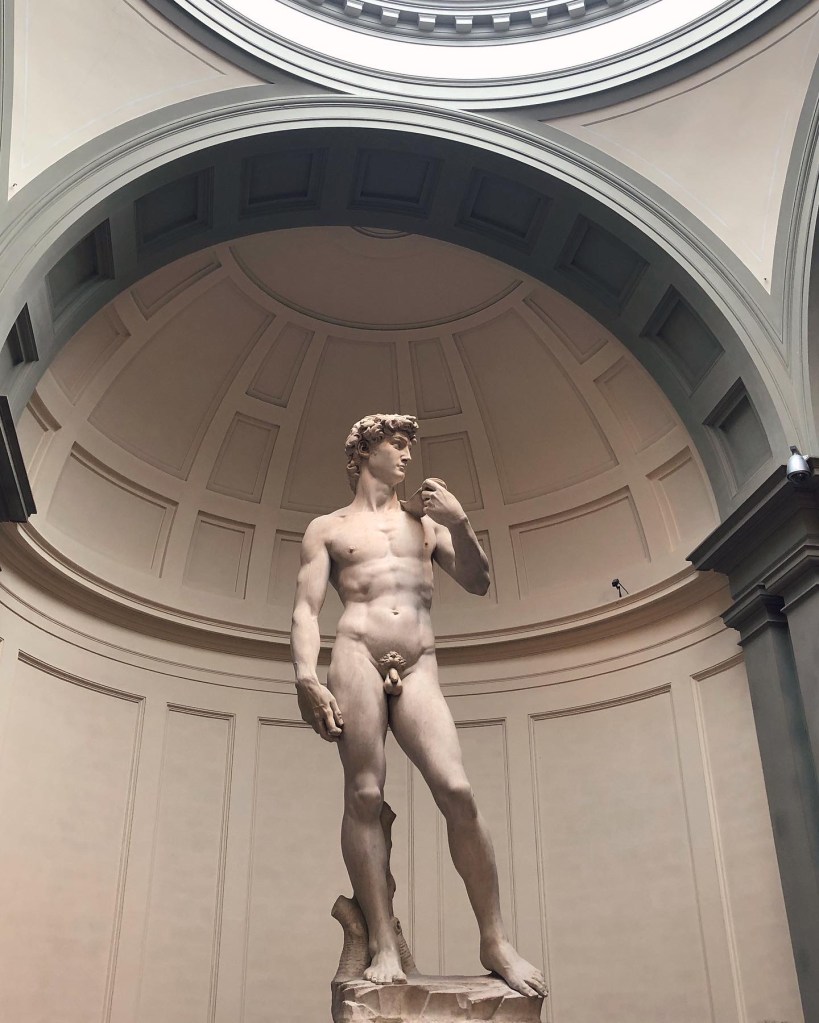
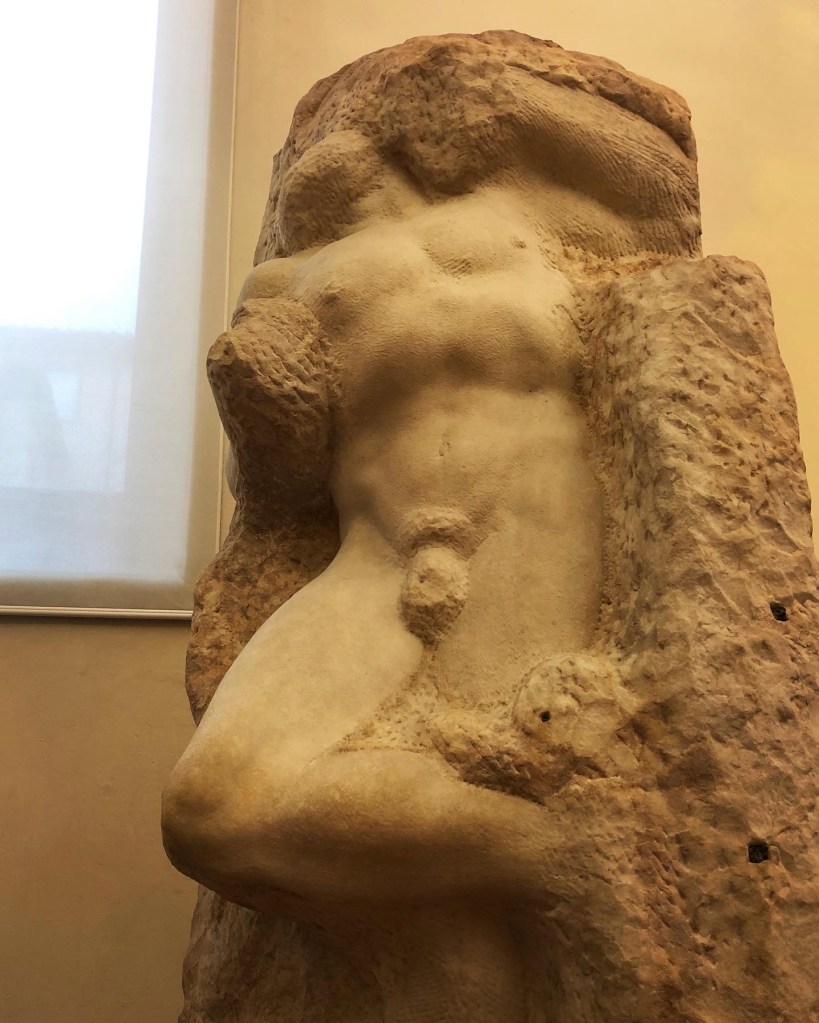
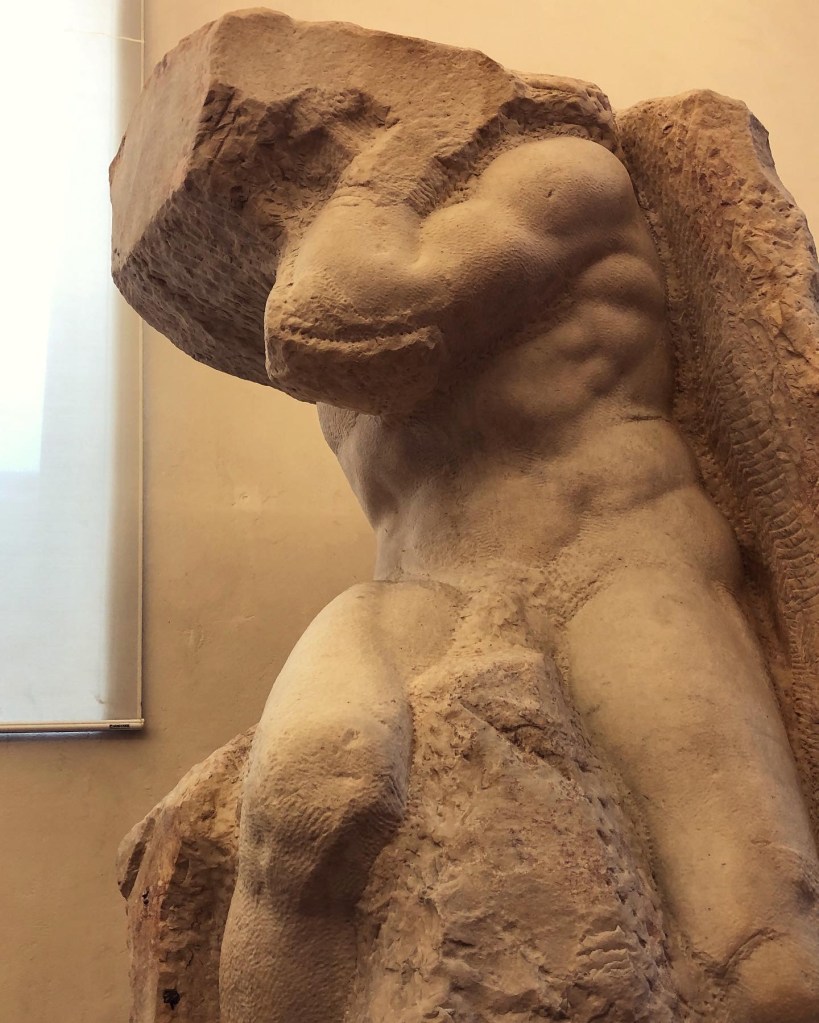
Michelangelo’s David must be one of the most famous statues in the world. It seems to be one of those places that’s high on a tourist’s tick list even if the renaissance isn’t their jam. When you walk into the Accademia gallery, Michelangelo’s David stands at the end of the hall almost dominating the space. It’s easy to rush straight over to him, ignoring everything else in the room to marvel. It is really worth holding back a moment to admire Michelangelo’s Prisoners on the way though. The Prisoners are unfinished and have been named ‘The Bearded Slave’, ‘The Atlas’, ‘The Young Slave’ and ‘The Awakening Slave’ by scholars. As they’re not finished the Slaves or Prisoners appear to be trapped in the marble, trying to fight there way into existence. They are incredibly evocative and like all ‘good art’ they inspire conversation. Rather than inspiring conversation David himself is so astonishing he left me speechless. I’m often disappointed by what I see as overly popularised attractions, but David in no way disappointed. Even down to the veins in his hands he is just perfect…which is somewhat surprising considering Michelangelo created him from discarded marble. One man’s trash really is another man’s treasure!

Rapolano terme

I had a sneaky suspicion we’d be going somewhere ‘spa-like’ when we were in Italy as I’d been told about the hot spring area of Tuscany and my partner told me to bring my swimsuit with me! What I didn’t expect was two nights in a lovely spa hotel, with two treatments and breakfast and dinner included. We stayed at the 2 Mari hotel (two seas hotel) in Rapolano Terme where we had a hammam treatment and a 30-minute massage with honey infused oils. We also had two sessions in the saltwater pool and spent ample time amongst the hot tubs and saunas. I also took one quick dip in the frigidarium (cold water pool) too, but once was enough! When I say we had two sessions in the saltwater pool, I don’t just mean we floated about in saltwater for a while…2 Mari have three hydrojet massage stations within the pool that pummel you for about ten minutes each. Each station targets different areas and each station feels SO good in it’s own unique way. I cannot fully express how relaxed I was after each session. It only took 30 minutes and I was practically floating out of the pool and onto my next treatment. Both the hammam and oil massage were equally pampering. I haven’t felt my muscles loosen so much for a long time. I spent many moments whilst we were there wondering if we could find a spa back in Aberdeenshire that would fill in for us before we can return.

Gunè

After Rapolano Terme I didn’t expect anymore big treats, but my partner had plans to take me to Gunè. I’d heard this name being thrown around and his family talked about it as if it was kinda special, but we’d been to lots of nice places and eaten lots of great food already, so I didn’t really think much of it! Gunè however is not a normal restaurant, it’s fancy! When we arrived and I had my first peek inside, I had this sudden sinking feeling of ‘I have severely underestimated this’, ‘I do not belong here’. But within minutes of a warm welcome those feelings were gone and I realised that Gunè was fancy but definitely not snooty. We started our meal with a series of surprise ‘welcomes’, like little amuse bouches and an elaborate bread box. Then for the starter which was romantically called ‘the departure’ I chose nigiri maki from Podolica and my partner had tongue peposo. This was followed by the ‘first discovery’ (or primo / 1st main) which saw us both having ravioli with a Tuscan-Lucanian soul. The ravioli had bardiccio and pezzente sausage with milk foam and Casentino ham powder. That was without doubt our favourite savoury part of the meal and when I think about it or look at the picture I took of it I can genuinely still taste it. My taste buds do not want to let go of that memory! You can also have a ‘second discovery’ but I jumped straight into dessert (my partner, Mattia, went for another cocktail). As we both work on honeybees I couldn’t resist the semifreddo pudding with honey in it. I can’t find it on the Gunè website and I can’t remember what it was called or what exactly was in it but whatever its name it entered the pudding hall of fame for me! The honey flavour was so strong, but it was balanced by the creaminess of the semifreddo. There was also some sort of light cream or milk poured on top with green tea ‘crumbles’. It just all worked so well. On top of this, we also had a ‘goodbye’ or a ‘departure’ a bit like the ‘welcome’ which was a series of tiny desserts! Each one of them was outstanding in it’s own unique way. (My mouth has been watering the whole time I’ve been writing this!) I also had a different wine with each course, which I let them choose for me and Mattia had a couple of cocktails tailor made to his tastes. I have practically zero experience of restaurants like this so I have little to compare it to, but I honestly had the best time and I think it will go down as one of my favourite memories…and meals!

Vie cave and tombs

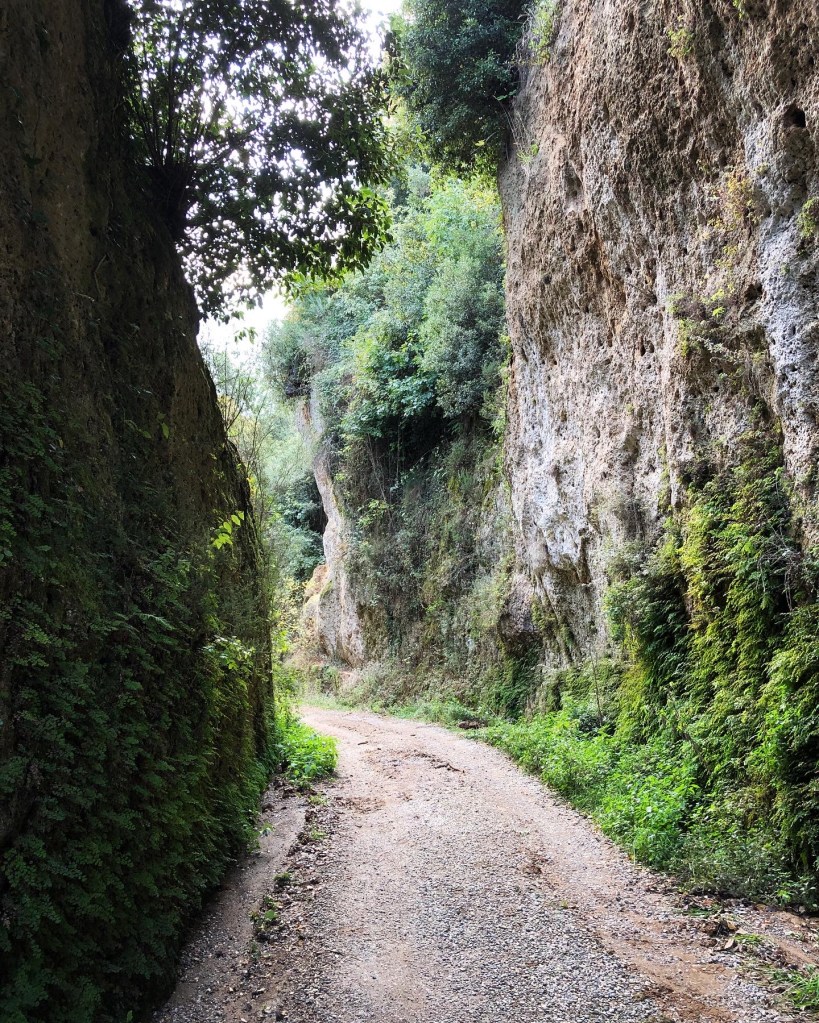
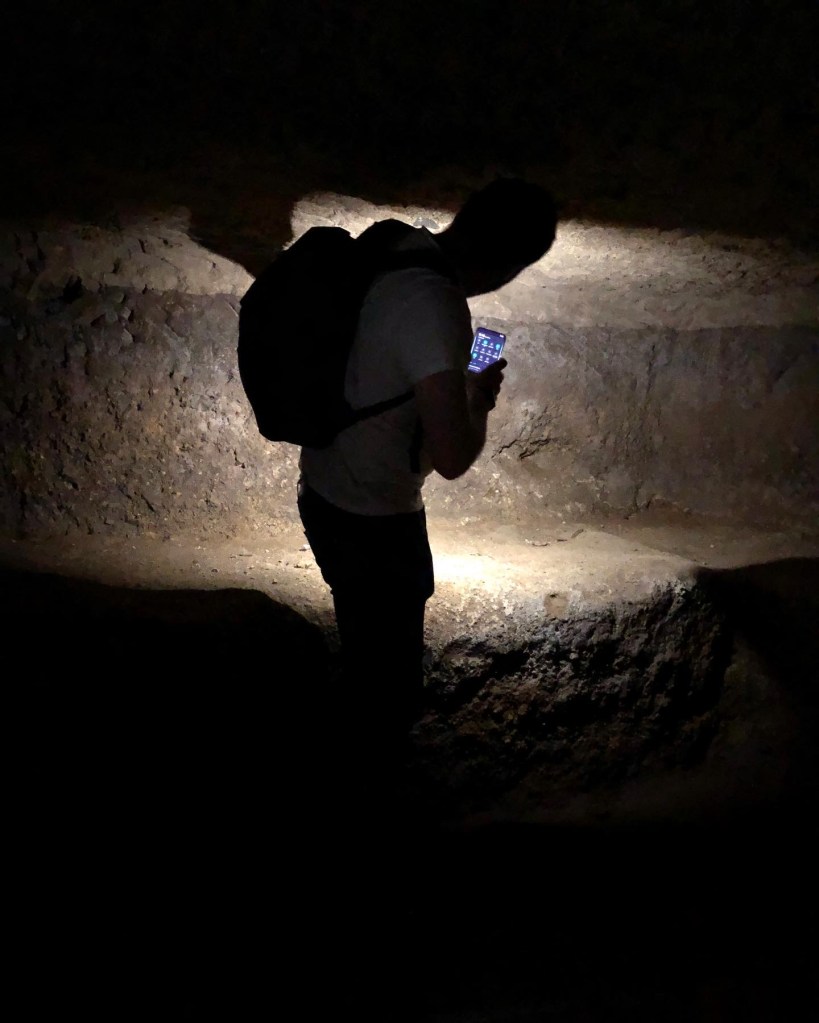
Whilst we were staying in Rapolano Terme we had a day trip to see Tomba Ildebranda This is the main attraction of a series of tombs and Etruscan roadways which form part of the parco archeologico known as ‘Città del Tufo’. What we had failed to consider however was that we were visiting in the middle of the week during ‘off-season’, so when we got there we were greeted by big gates and a bigger closed sign! Luckily for us though, there is part of the park that is non ticketed and open all the time. Tomba della Sirena (the tomb of the siren) and the San Sebastian vie cave are on the opposite side of the site. Although they aren’t part of the ticketed park this doesn’t mean that it isn’t a spectacular area. As we went at such a quiet time it also meant that we spent several hours exploring the area completely on our own, which definitely made it more atmospheric. I didn’t take a picture of the English sign for Tomba della Sirena and I’m struggling to find basic information about it online in English (I can’t speak Italian…yet) but I have enclosed a picture. What I can tell you is that there are a series of tombs, one of which (shown below) is very ornately decorated. The others are simpler, but I’m sure no less full of significance and there’s even a tomb that you can shimmy into. There are also a series of vie cave. These are pathways which were hand carved out of the soft tufa (tuff) rock. They are around 20 metres deep, about 3 metres wide and 500 metres in length. As they lead to necropoli it is thought that the Etruscans carved these pathways to allow them access to sacred sites, or perhaps the pathways were also sacred themselves. As they form a cold subzone the pathways are also full of ferns, lichens, mosses and liverworts which is super cool. It feels like you’re stepping into another world. I guess considering the Etruscans existed between the 8th and 3rd century BC and started building the vie cave around the 3rd century I guess it was another world back then!
Discovering Clet

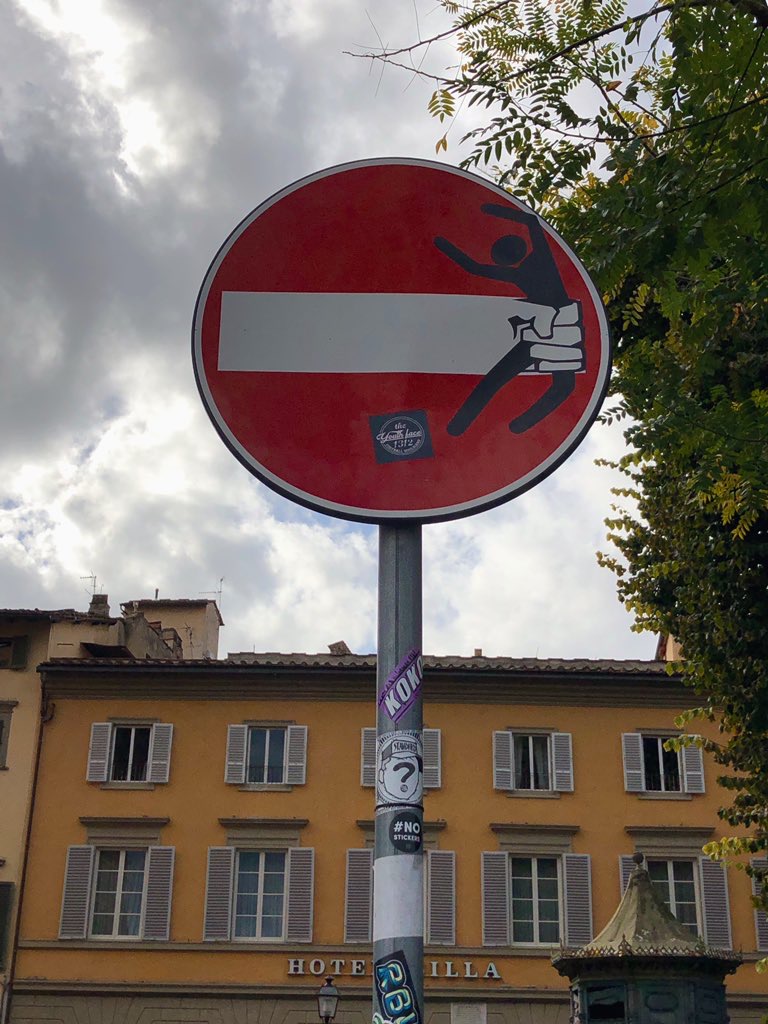
Clet Abraham is a French street artist living and working in Florence. Among other things he takes traffic signage and playfully alters them using customised stickers. It’s really fun wandering around the city spotting Clet’s work. There’s already a lot to look at and admire around the streets of Florence but the chance of spotting another Clet had me paying even more attention to my surroundings and looking in different places. The contrast between renaissance Florence and Clet’s urban street art just did something for me. If you want to find out a little more then I really liked this short article by The Guardian.

So, I’ve called these my top 5, but honestly, I could have picked so many moments from my trip. From eating schiacciata in the Santissima Annunziata, discovering medieval walled towns like Pitigliano, Certaldo and San Gimignano or gazing out over Florence from Piazzale Michelangelo. I can’t wait to go back and make more memories.

Aberdeen

I love Aberdeen! It’s a bit of a marmite city, I know. The most common negatives I hear are that it’s ugly, it’s unfriendly and there’s nothing to do and I would disagree (and frequently do) on all of those points. I get surprisingly defensive of this city that is absolutely not my own, as in I didn’t grow up here and I haven’t lived here that long!

Now, having said that, when I came up here to meet my now supervisors, I flew and then took the bus into the city from the airport. The stretch of Aberdeen that bus route follows is mostly pretty bleak and as soon as I could I phoned my mum all teary that I didn’t think I could live here. My memory of Aberdeen from my navy days was really shoddy, I remembered bits of the harbour, the maritime museum and the beach but that was it. It wasn’t enough to make me feel better about moving here. Luckily though, I stayed at the Carmelite hotel near The Green and the harbour and walked to the university through old Aberdeen and the Cruickshank botanical gardens. This turned things around an awful lot. I mean, obviously! I live here now and as I said I love it. Now, if my friends fly up I tell them to close their eyes on the bus! When they’re here, at some point in their stay, I take almost everyone on the same walk…or at least portions of it, because altogether it’s a long one. As lockdown has now eased a little and we have some more freedom to move around I thought it seemed a good time to mention my favourite places along that walk. Maybe it’ll give you some inspiration.

Old Aberdeen

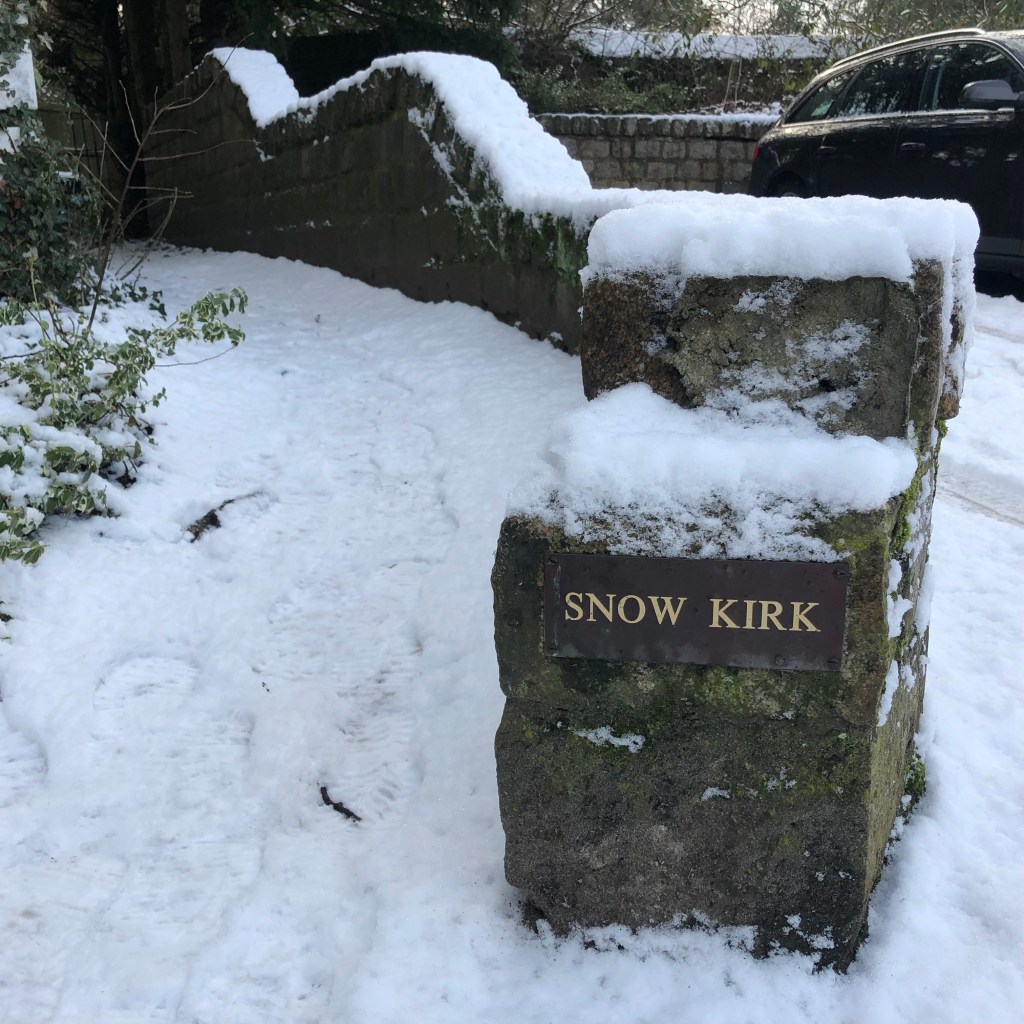
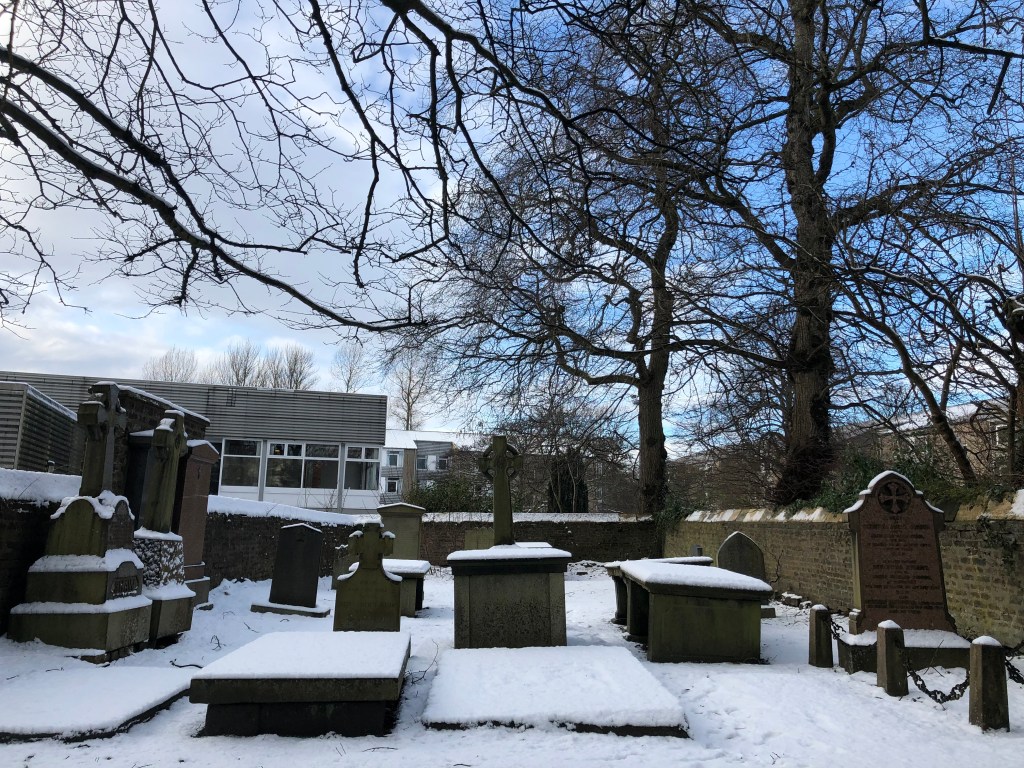
The ‘tour’ starts with a solid walk from Mounthooly (because that’s where I live) to Old Aberdeen and that takes about 20 – 30 minutes. I found out very recently that Mounthooly lies on an old leper colony, which was mercifully unnecessary by the early 1600s. Luckily, the bodies weren’t buried along my street so I didn’t have to lie awake at night thinking about that for too long! The first stop on my tour is what remains of the ‘Snow Kirk’ which was originally founded way back in 1497. This is a tiny little Catholic graveyard hidden behind high walls within college bounds. For me, the most exciting thing about this is that barely anyone seems to know it’s there! I don’t really know the ins and out of the reformation but I do know that it wasn’t a great time to be a practicing Catholic. Many held Mass secretly and buried their loved ones in secret Catholic kirkyards in keeping with their faith. The Snow Kirk, or the kirkyard of St Mary of the Snows, was, for a time, one such secret graveyard.

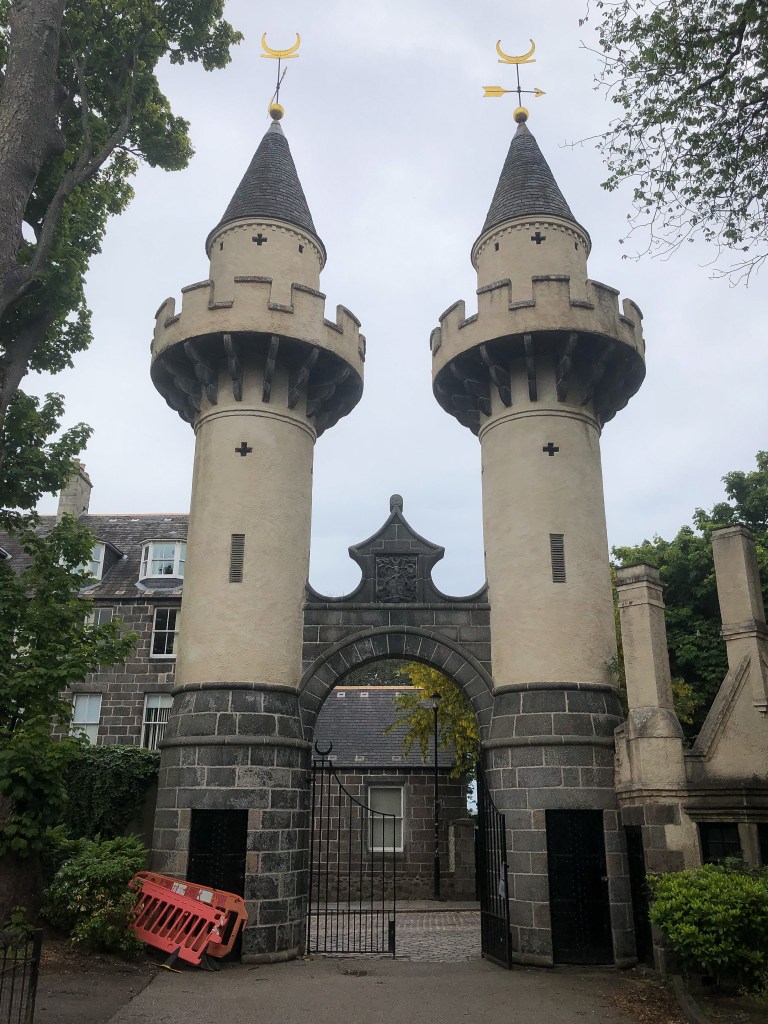
From the kirkyard I take people through Powis gate, which looks like a classic Disney castle tower and towards Kings College. Kings College was founded by William Elphinstone in 1494 and there’s a fetching memorial to him outside. The interesting thing, I think, is that the memorial was meant to be fitted on top of his tomb, inside the chapel. But, when it was transported to Aberdeen it turned out to be too big to go through the door. Doh!

Just up the road from Elphinstone is my favourite university campus café, Kilau. Great coffee, great food, magnificent brownies! This place on my ‘grand route’ is a great time to stop so I normally encourage it!

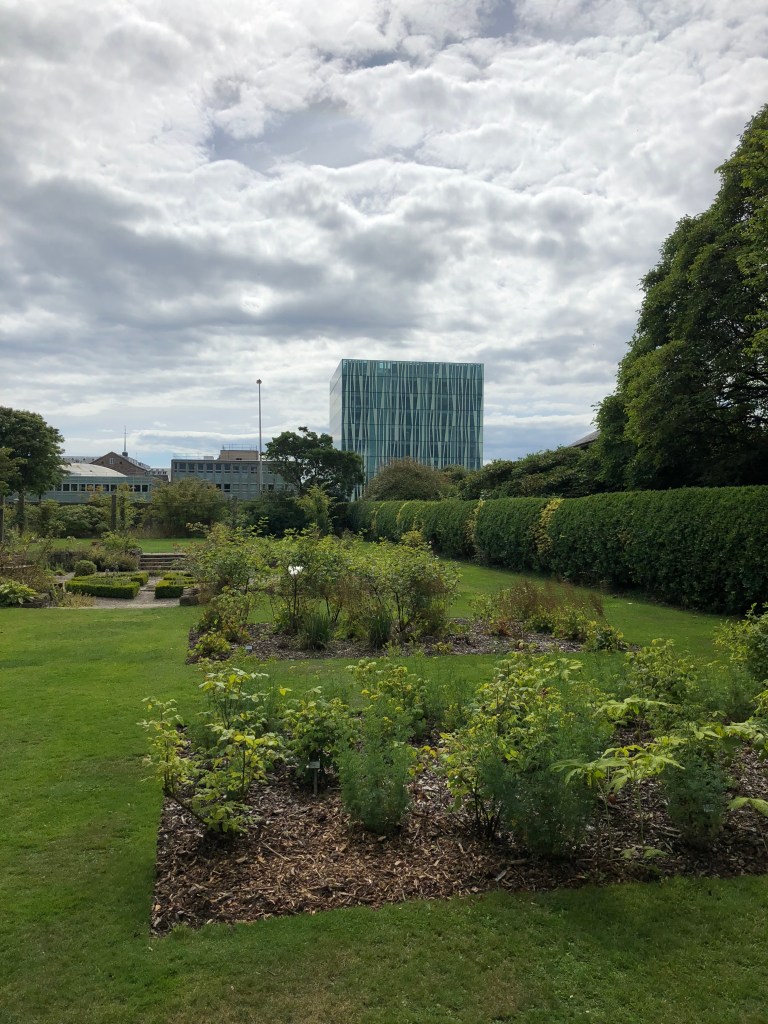
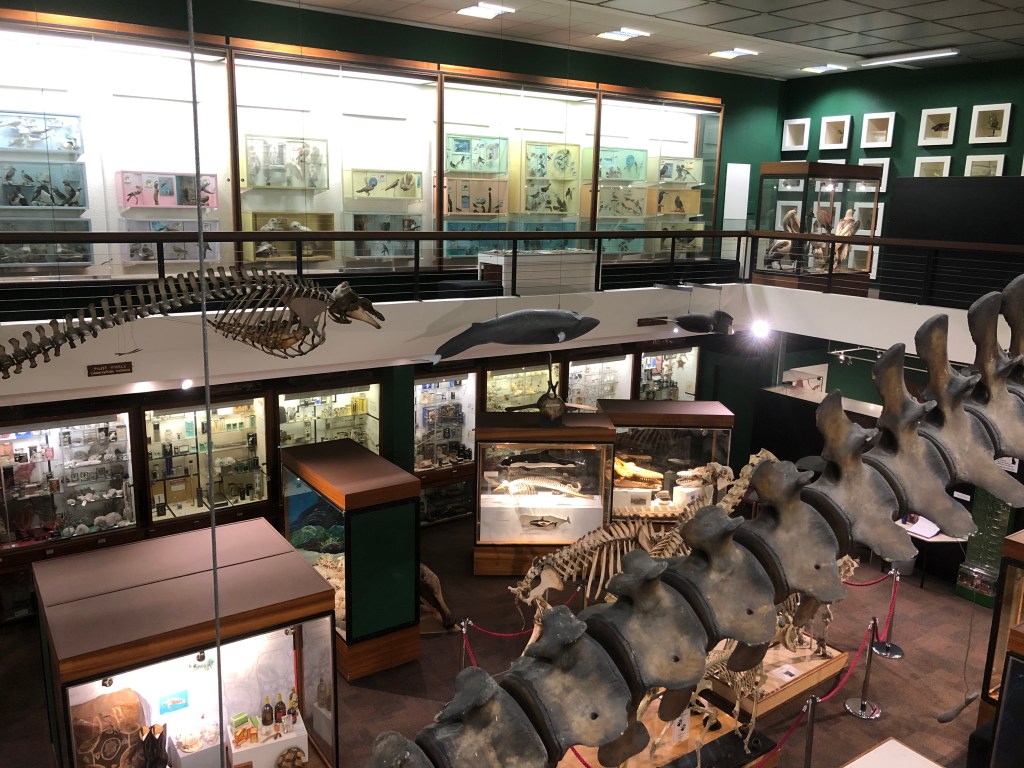
Sometimes, I take people through the alleyway near Kilau to go and look at the library. It’s pretty impressive and although I rarely take people inside it has a cool internal structure too. I gather there are some mixed opinions about the practicality of this though! Another rare but occasional detour is the Cruickshank botanical garden and rarer still the universities zoology museum. Both are definitely worth a visit though. The gardens are a nice spot for a picnic, I saw my first red squirrel and my first waxwings here.

Seaton Park and the River Don

This next stretch is again about 20 – 30 minutes…obviously much longer with stopping for coffees, taking photos or just generally looking at stuff!

The next ‘stop’ is St Machar Cathedral. To get there you have to walk down the Chanonry. This is a pretty area but it was once terrorised by ‘Spring-heeled Jack’. ‘Spring-heeled Jack’ could silently leap over high walls and breathed fire. He had clawed hands and red eyes and wore numerous disguises. This assailant normally resided in London but appeared in Aberdeen in the late 1800s. People saw him well into the 20th century. Crazy!

When I first arrived, I read on the internet somewhere that the left upper quarter of William Wallace was rumoured to be buried behind a star in St Machar cathedral. I’d tell my friends this in my best impression of a castle tour guide’s ghost story voice but just at the beginning of this year I found out that was certainly not true. Damn internet facts! Despite the lack of famous historical body parts the cathedral is still worth a visit. The ceiling in particular is pretty astounding.

St Machar Cathedral

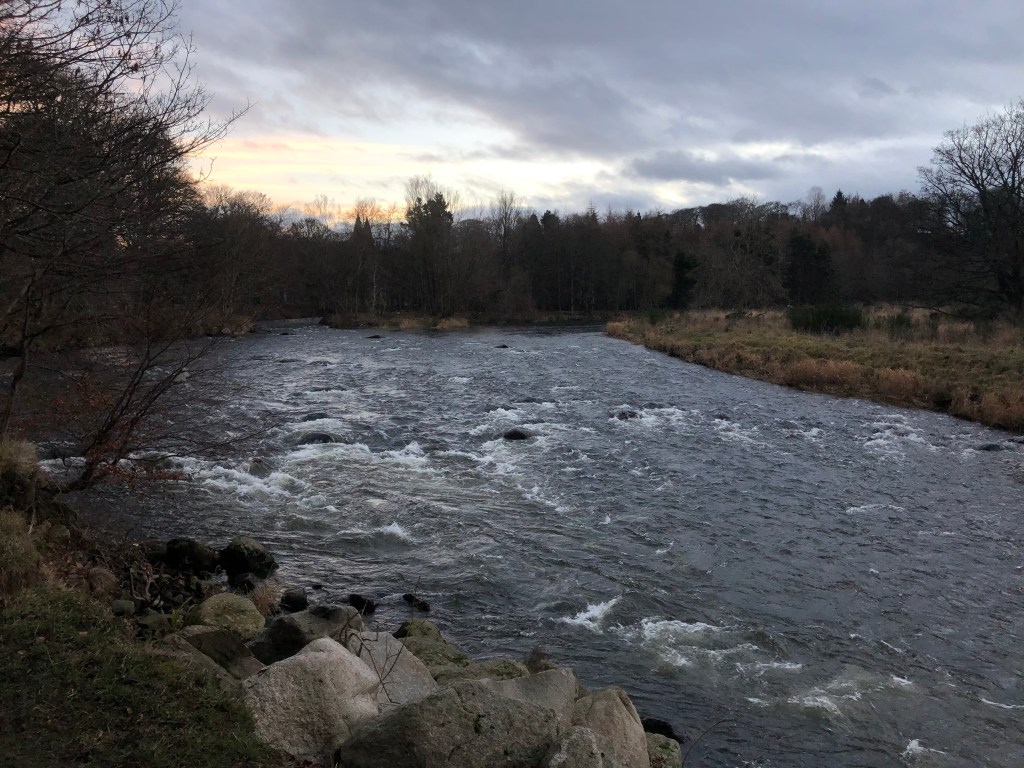
Just behind St Machar is the enormous Seaton Park. There are areas here where I feel like I am absolutely not in a city anymore. The walk along the river to the beach is really lovely, I’ve seen seals from the Brig o’ Balgownie and although I haven’t seen them here personally, people have reported really good views of otters.

After Seaton Park is left behind (and I’ve taken my friends across a super busy road) the Donmouth nature reserve starts. There are some little paths that wind through the estuary and there’s a small hide just off the road. If I’m honest I find this section a little disappointing but without it it’s a long stretch of boring pavement until you reach the sea.

Aberdeen Seafront

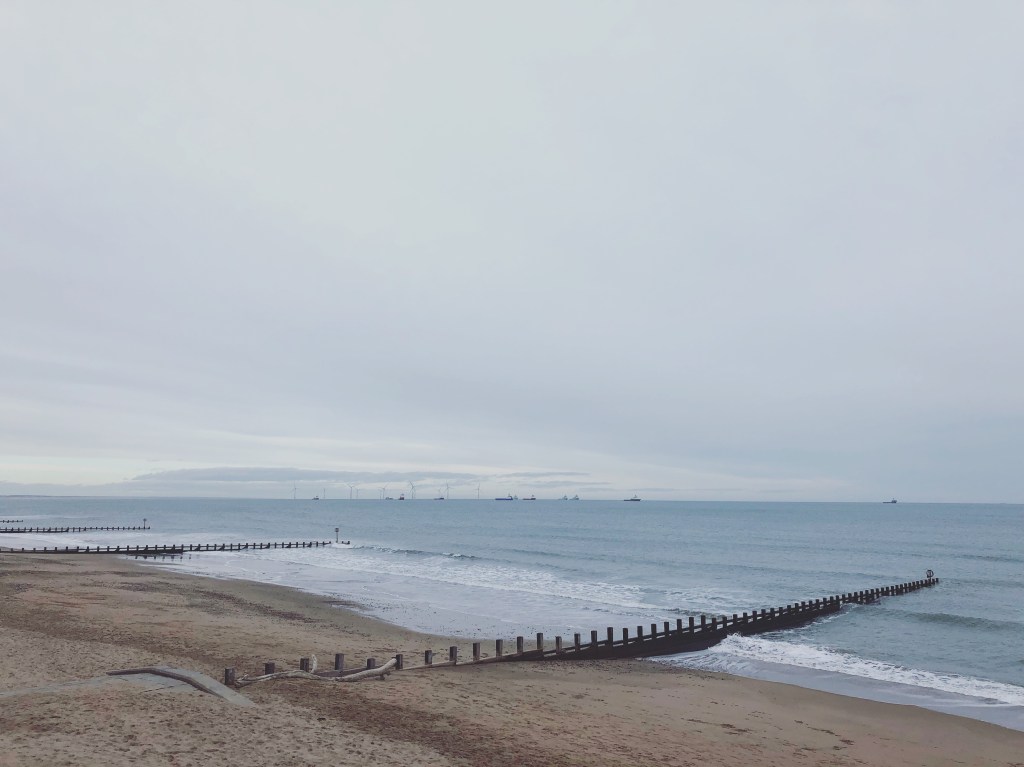
I don’t have an awful lot to say about the seafront. I mean, it’s just nice to be by the sea, isn’t it? Between Donmouth and the Aberdeen Beach Ballroom it’s just you and the sand but after that there’s one or two things I sometimes point out. The first thing is ‘the last tram line’ which is on the Links between the Hilton hotel and the beach there’s a little stretch of tram line still visible. I normally point at them and say “that’s Aberdeen’s last tram line”. That’s it! That’s all I have. I’m pretty sure no one but me has ever thought this was cool. But I’ll keep trying!

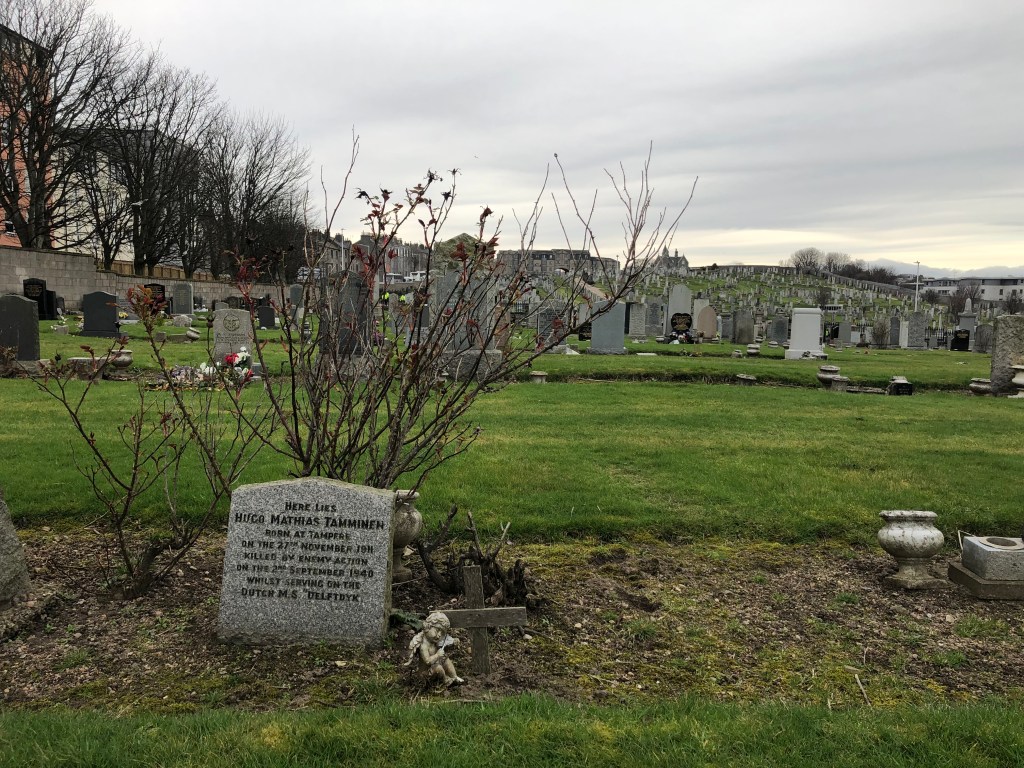
Just as a little interlude (because I’ve never taken anyone here), there’s a place nearby called Trinity Cemetery. Within it is the unmarked grave of the Cornish steersman and quartermaster, Robert Hichens, who was on the Titanic. I’ve read somewhere that at the time of the accident he was at the helm…of course steering under the orders of an officer. He survived in one of the few lifeboats alongside an American millionairess, but life wasn’t particularly rosy for him following the tragedy and ended with him being placed in an Aberdonian cemetery without a marker.

Incidentally this cemetery is very near Gallows Hill, which, as you can probably guess is where people enjoyed watching the odd hanging up until the late 1700s. The last fellow to lose his life there was Alexander Morison, who murdered his wife with an axe. The death wasn’t quick or clean and he was left there hanging in chains as a warning. If you haven’t noticed by now I’m drawn to some of the darker parts of history!

But anyway, back to ‘the tour’! Carrying on down the Beach Boulevard from the Beach Ballroom there are some shops and cafés plus adventure golf and a funfair. But, for me, the place of note is the Highland Bus. Again, I don’t have any pictures but it’s an old double decker bus by the sea with a café in it! I mostly just really like the novelty but the food’s pretty good too.

Footdee

After tea and cake in the bus, the next stop is Footdee. Footdee, pronounced ‘Fittie’, is about a 20-30 minute walk from Donmouth along the beach. Footdee is a really pretty old fishing village full of little cottages that surround squares mostly containing ‘sheds’ and garden areas. I put ‘sheds’ in apostrophes because this doesn’t quite do them justice, they’re very cool and very creative. The whole area has a really folksy, arty vibe. I think it’s important to remember that people do actually live here though. It’s great to enjoy the space but with the respect owed to any residential area.

One of my favourite stories relating to Footdee is that, at some point in time, when the fishermen went out to sea their wives would not wash any clothes. They feared that by churning up the wash water they would also churn up the sea causing potentially fatally bad weather for their husbands. I think I read that at the Aberdeen maritime museum, which is just along the harbour and definitely worth a visit.  

Aberdeen Harbour

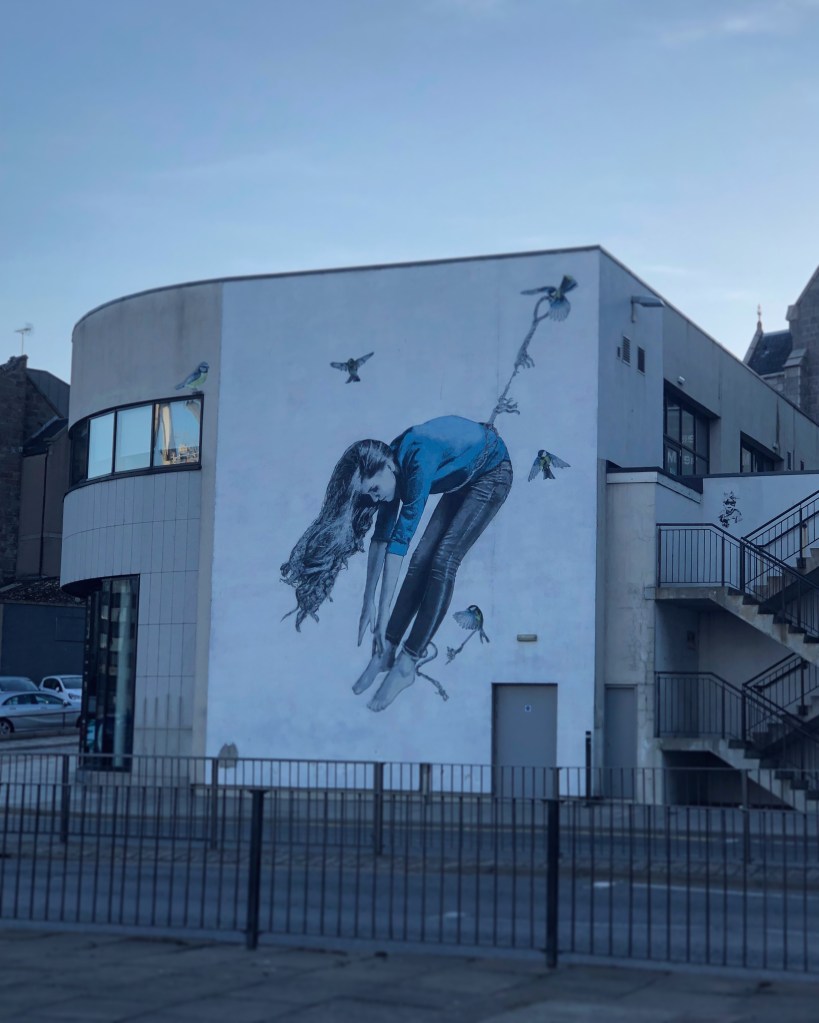
From Footdee I like to walk along the harbour all the way towards Union Square, which takes about 20 minutes. Aberdeen Harbour is apparently Britain’s oldest recorded business, first being mentioned way back in 1136. These days it’s full of standby and supply vessels from the oil fields and the odd ferry.  A lot of this is about reminiscing for me…I mean, I really didn’t enjoy the navy but I like to think about it sometimes and, objectively, I still find the ships, the big anchors and huge chains pretty cool. I always hope my friends will too! I also love some of the ship’s names: “Standard Viking” is among my favourites. As you get closer to Union Square there’s also a very cool Nuart painting. Nuart is all over Aberdeen but this, I think, is the first one featured along this walk.  

The Green

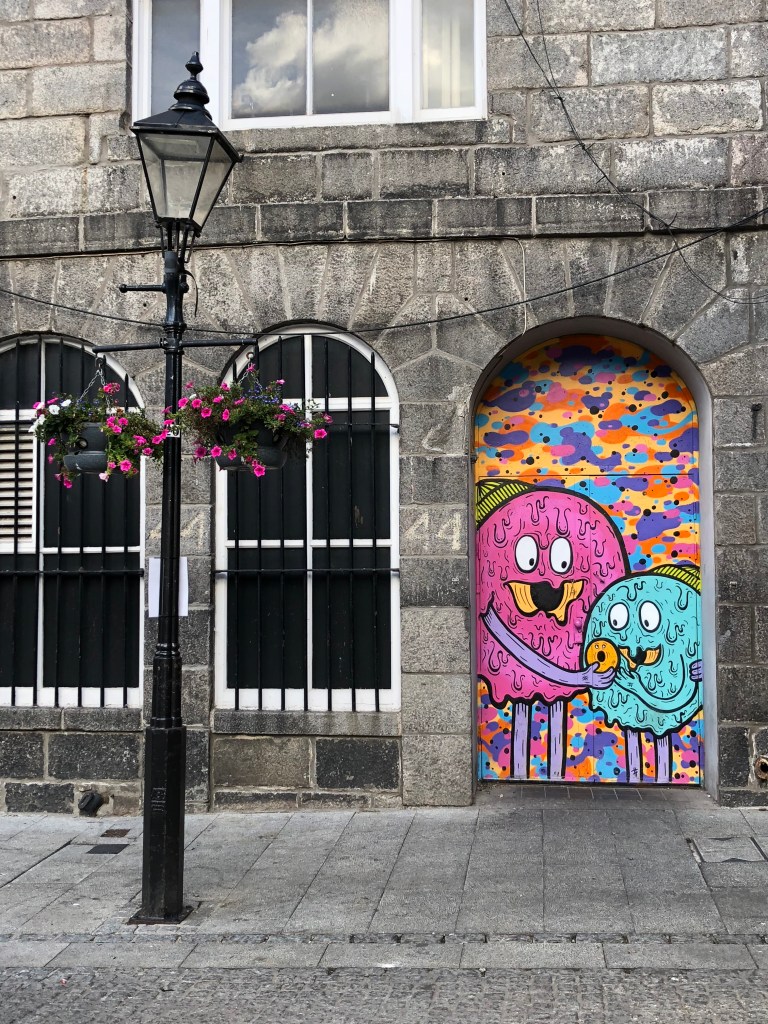
Just before reaching Union Square I turn off and head into ‘The Green’. There’s not a huge amount I have to say about this area but there is some great Nuart around, including my favourite, the doughnuts. There’s also a fab little café called Contour café here and a great pub called CASC, which sells good coffee, ale, Scotch whisky and cigars.   

Home

From The Green there are a couple of options. Not far away are a couple of my favourite pubs, Fierce beer and the Castlegate Brewdog, enough said. If we’re not ready for a drink and my friends aren’t ready to kill me after a brutally extensive ‘tour’ there’s the Tollbooth museum. I love this place, which, like the maritime museum is free. The Tollbooth is an incredibly well preserved 17th century gaol and has loads of sweet information about the evolution of the city, witches, the people that were gaoled there and escape attempts. If my friends weren’t ready to go home before, they almost definitely are after the museum. Home is passed another Brewdog and along Gallowgate. Gallowgate was the execution site before Gallows Hill and I’ve read somewhere that it saw the end of multiple witches but I haven’t been able to find this information again since! Aberdeen has an incredibly rich (and terrible) witch hunting history that I really want to learn more about.   

This ‘tour’ is bloody long and it only covers a small part of what the city has to offer. Aberdeen is full of history, art, nature, good beer and although I agree it’s pretty shite at advertising itself, it’s normally full of cool events. I feel like people can give this Northern city a hard time but, although its not perfect, it’s 100% worth a visit, or exploring more if you’re already here.

Most of this information is gathered from a couple of books and an extensive website, which I’ll mention below, and the rest of it is from who knows where! They’re just tidbits of information I’ve gathered from here and there and they may or may not be true! I’d reckon that those tidbits are from museums and castles I’ve visited but you know how those facts get skewed once you’ve not touched on them for a while!

“Hidden Aberdeen – History on your doorstep and under your feet” by Dr Fiona-Jane Brown

“The guide to mysterious Aberdeen” by Geoff Holder

The “Doric columns” blog – https://doriccolumns.wordpress.com/